Structured and Balanced Curriculum
The CBSE curriculum is designed to provide a strong academic foundation while maintaining a balance between theory and practical learning. It follows a standardized syllabus across India, making it easier for students to adapt even if they relocate.
Key advantages:
- Concept-based learning
- Reduced focus on rote memorization
- Consistent syllabus nationwide
Focus on Conceptual Learning
CBSE emphasizes understanding rather than memorizing. This approach helps children grasp concepts clearly, making learning more effective and long-lasting.
Students benefit by:
- Developing analytical thinking
- Improving problem-solving skills
- Gaining clarity in fundamental subjects
Holistic Development of Children
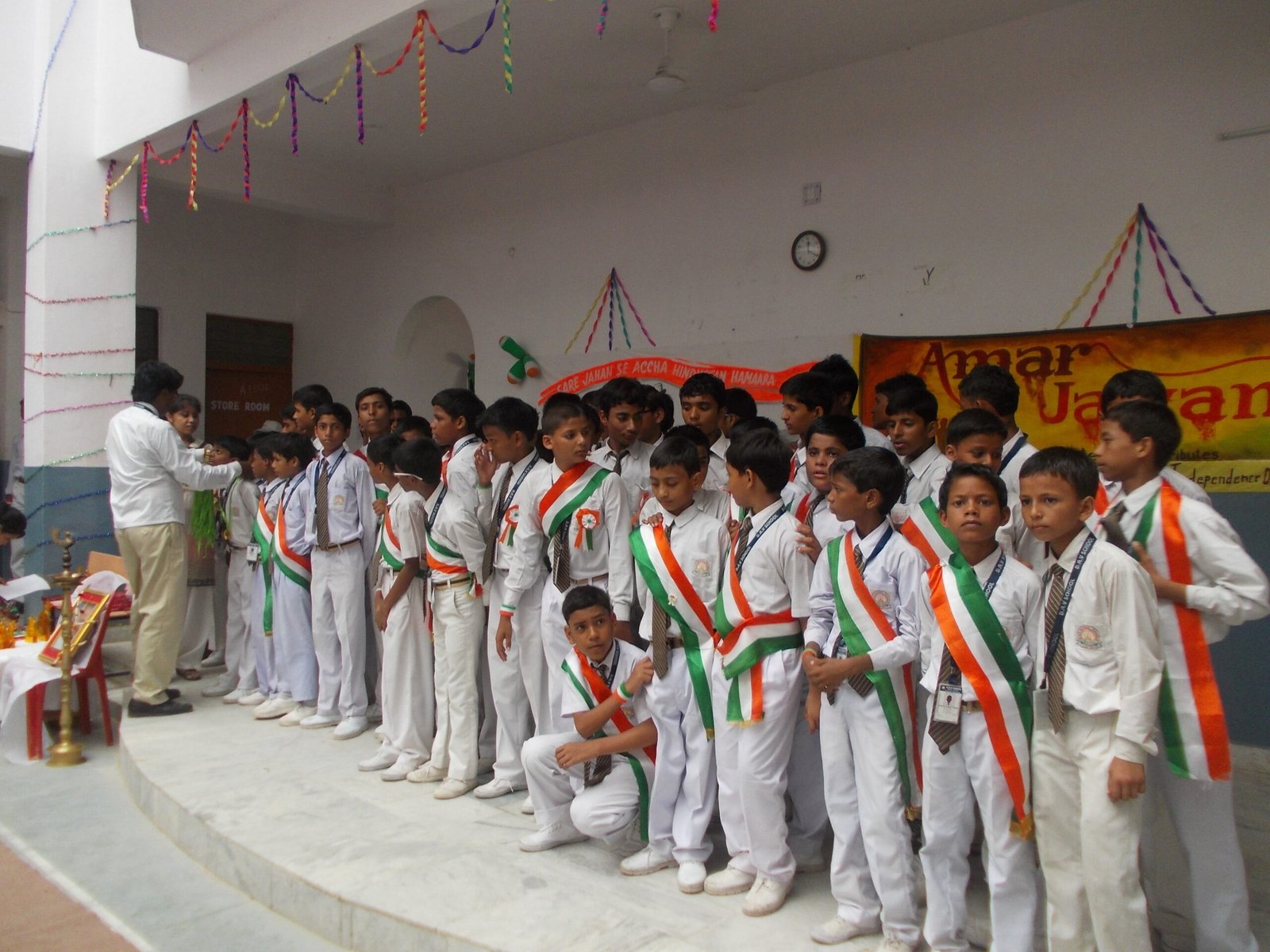
CBSE schools encourage participation in extracurricular activities such as sports, arts, and cultural programs. This ensures that children grow not only academically but also socially and emotionally.
Activities include:
- Sports and physical education
- Music, dance, and arts
- Debates and public speaking
Preparation for Competitive Exams
One of the biggest advantages of the CBSE pattern is its alignment with major competitive exams like NEET, JEE, and other national-level tests. The syllabus is designed in a way that supports future academic goals.
Modern Teaching Methods
CBSE schools adopt modern teaching techniques such as smart classrooms, digital learning tools, and interactive sessions. This makes learning engaging and easy to understand.
Safe and Supportive Environment
CBSE schools maintain a disciplined yet friendly environment where students feel safe and motivated to learn.
